

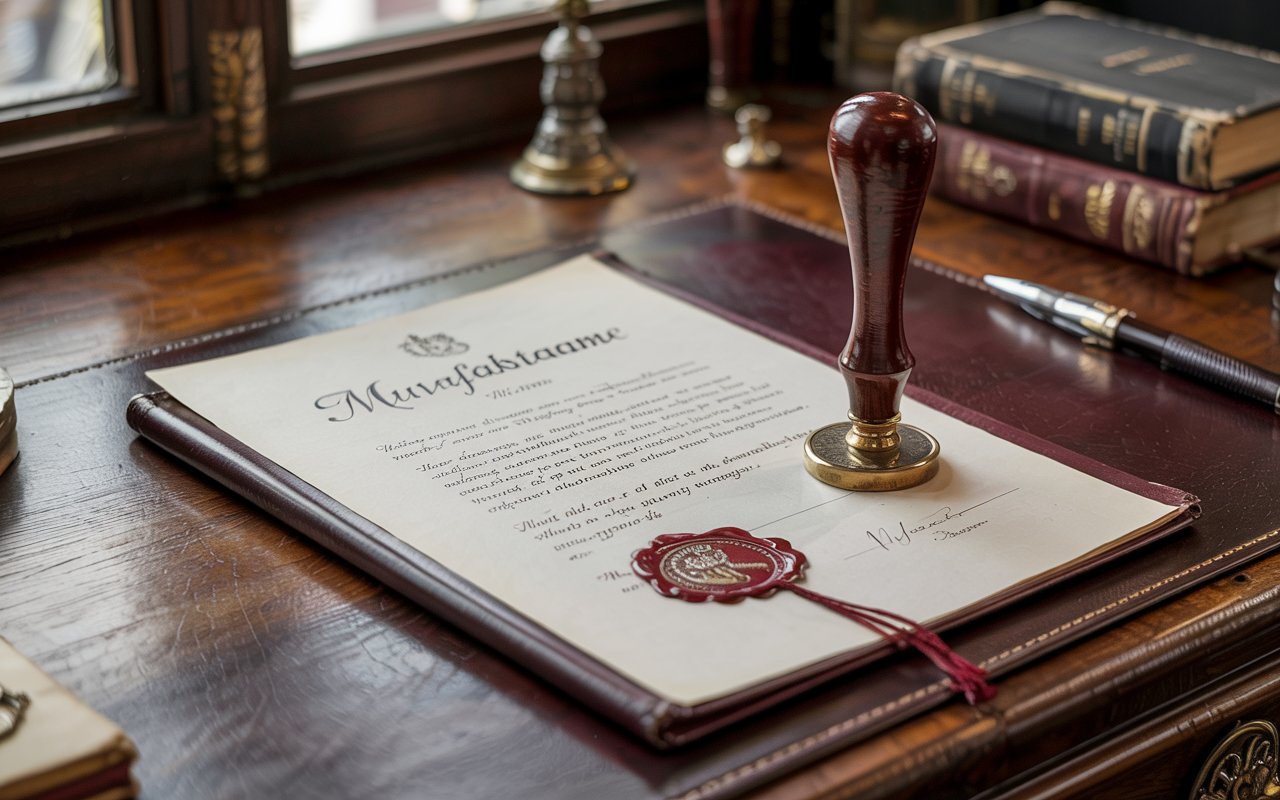
Muvafakatname notarized documents are often required when embassies, immigration offices, or foreign authorities need verified proof that consent was given legally and voluntarily. While a regular signed Muvafakatname may be accepted in some cases, notarization adds an extra layer of authenticity by confirming the identity and signature of the person granting permission. Understanding how notarization works can help you avoid visa delays and document rejection.
This guide explains how to get a muvafakatname notarized, when notarization is required, what documents you need, and how the process works step by step. Whether you are preparing documents for visa applications, child travel, or international authorization, this article will help you complete the process correctly.
What Does Muvafakatname Notarized Mean?
A muvafakatname notarized means the consent letter has been signed in front of a licensed notary public. The notary verifies the identity of the person signing the document and confirms that the signature was given willingly. The notary then applies an official stamp or seal, making the document legally verified.
Notarization does not change the content of the Muvafakatname. Instead, it confirms that the consent is genuine and legally witnessed. This is why many embassies prefer notarized documents, especially in sensitive cases involving minors or long-term travel.
If you are unfamiliar with how the consent letter itself is written, you may first review how to write a Muvafakatname correctly before proceeding with notarization.
When Is a Muvafakatname Notarized Required?
Notarization is not always mandatory, but it is strongly recommended in several situations. A muvafakatname notarized document is commonly requested when:
- A child is traveling internationally with one parent or without parents
- A minor is applying for a long-term visa or residence permit
- A spouse is applying for a dependent visa
- The destination country has strict document verification rules
- An embassy specifically requests notarized consent
Even when not explicitly required, submitting a muvafakatname notarized letter reduces the risk of embassy queries and follow-up requests.
Documents Needed for Notarization
Before visiting a notary, prepare all required documents. Missing paperwork can delay the process. To obtain a muvafakatname notarized, you typically need:
- Printed Muvafakatname document (unsigned)
- Original passport or national ID of the consent giver
- Photocopy of the ID or passport
- Supporting documents if applicable (birth certificate, marriage certificate)
The notary will check identification carefully to ensure the signer’s identity matches the document.
Step-by-Step Process to Get a Muvafakatname Notarized
Step 1: Prepare the Final Document
Ensure the Muvafakatname is fully written and reviewed before notarization. Do not sign it in advance. The document must be signed in front of the notary to be valid.
Step 2: Visit a Licensed Notary
Go to a government-authorized notary office, court-affiliated notary, or licensed legal office. The availability of notary services may vary by country.
Step 3: Identity Verification
The notary will verify the identity of the person giving consent by checking official identification documents.
Step 4: Sign in Presence of the Notary
The consent giver signs the document in front of the notary. This step confirms that the signature is genuine and voluntary.
Step 5: Notary Stamp and Seal
The notary applies an official stamp or seal along with a signature and date. Once this is done, the muvafakatname notarized document becomes legally authenticated.
Is Notarization Required for Child Travel?
In child travel cases, notarization is highly recommended. Immigration authorities are particularly cautious when minors travel internationally. A muvafakatname notarized letter provides stronger legal proof that parents or guardians have approved the travel.
If your document relates specifically to child travel, you may also review the detailed guide on Muvafakatname for child travel for additional context.
Difference Between Signed and Notarized Muvafakatname
A signed Muvafakatname only confirms that a person has written and signed the document. A muvafakatname notarized, however, confirms identity verification and legal witnessing.
This difference becomes important when embassies assess document reliability. You can explore this comparison in detail in the guide on signed versus notarized Muvafakatname.
Common Mistakes During Notarization
Applicants sometimes face issues due to avoidable mistakes. Common problems include:
- Signing the document before visiting the notary
- Using expired identification documents
- Incorrect personal details in the document
- Missing supporting documents
Double-check all details before notarization to avoid repeating the process.
Helpful Guidance for International Acceptance
Some parents and applicants review official travel documentation guidance to understand consent requirements better. Information published by the U.S. government travel documentation guidance helps clarify expectations for notarized consent in international travel cases. For general educational understanding of notarization practices, some readers also review general information about notary services.
Final Summary
A muvafakatname notarized document provides strong legal proof of consent and significantly reduces the risk of visa delays or travel issues. By preparing the document correctly, bringing the right identification, and signing in front of a licensed notary, you can complete the process smoothly.
Whether the consent is for child travel, spousal visas, or international authorization, notarization adds credibility and peace of mind. Following the steps outlined above ensures your Muvafakatname is accepted confidently by embassies and authorities.