


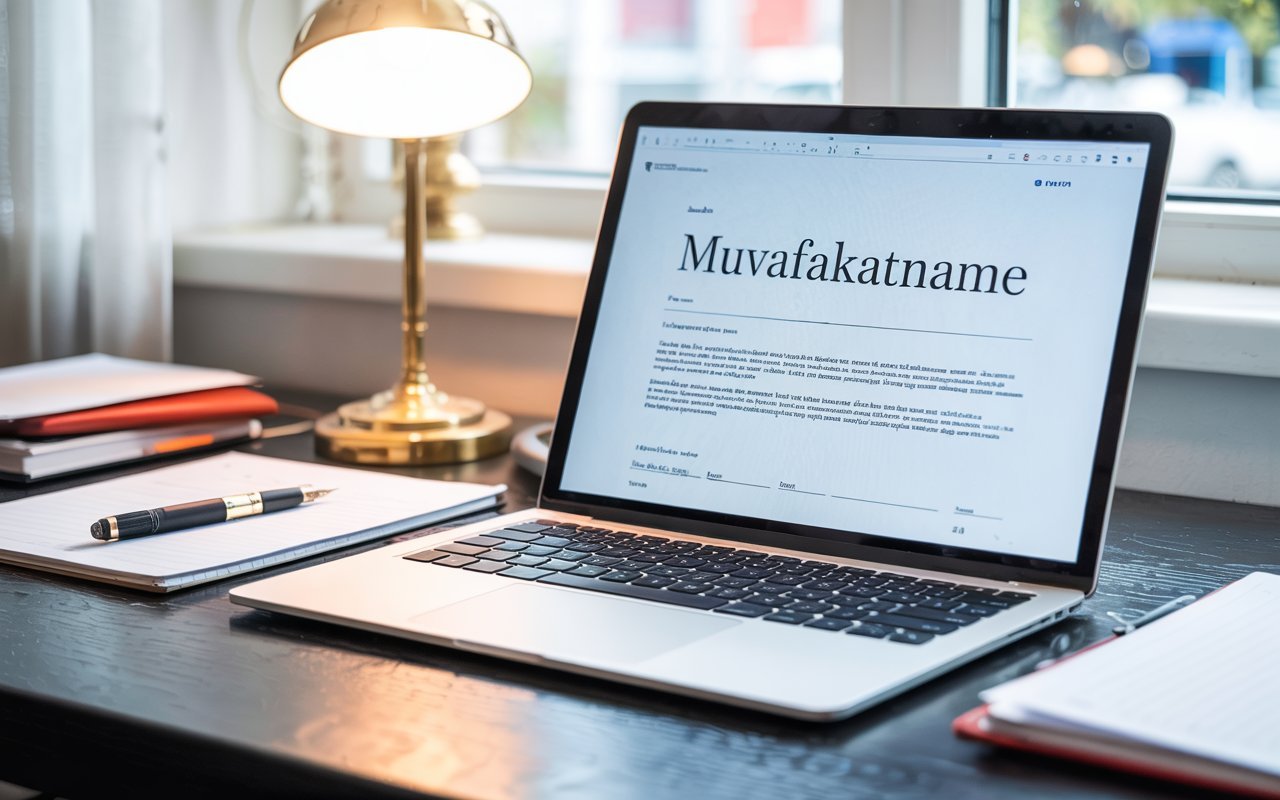
Learning how to write Muvafakatname matters more than most people realize when submitting visa applications. The Muvafakatname acts as a legally recognized consent letter confirming that the applicant is permitted to travel or apply for a visa. Embassies use this document to prevent disputes between guardians, parents or spouses. A well-written letter supports smooth approval, while a poorly structured one can slow processing or trigger re-submission requests. The following full guide explains how to write Muvafakatname in a format embassies accept, including structure, required details, and wording examples.
Why You Should Know How to Write Muvafakatname Correctly
When a child, student or dependent spouse applies for a visa, permission must be documented clearly. If the embassy cannot verify approval, the file may remain pending until a corrected document is provided. Knowing how to write Muvafakatname avoids that issue entirely. It protects the traveler, proves responsibility and often speeds up decision time.
If you would like to understand the meaning of the document more deeply before writing, you may read introductory context here:
What Is a Muvafakatname and Why It Is Important?
Step-by-Step Instructions on How to Write Muvafakatname
Writing the letter is simple when done in a structured order. Below is the correct format followed internationally by visa handlers and immigration processors.
1. Start With Legal Identity of the Person Giving Consent
Use the exact spelling that appears on the passport. Include:
- Full legal name
- Passport / ID number
- Date of birth
- Nationality
- Address and contact phone
This establishes who is authorizing permission and prevents confusion during verification.
2. Clearly Identify the Applicant Receiving Permission
When learning how to write Muvafakatname, name accuracy is key. A useful structure you can adapt is:
“I, [Name], passport number [XXX], grant consent to [Applicant Name], passport [XXX], to apply for a visa and travel to [Country].”
The sentence is short, professional and embassy-friendly.
3. State the Purpose of the Visa
Embassies require clarity. When you write Muvafakatname, mention whether the applicant’s purpose is tourism, student study, work placement, internship, family visit or long-term residency. Specificity builds trust and avoids unnecessary questioning.
4. Add Validity Duration of the Consent
The document must include how long approval is valid. You may specify a date period or write:
- Valid for the entire duration of the visa issued
- Valid for one travel period between specific dates
Both are accepted as long as they are written clearly.
5. Include Travel and Stay Information if Available
Not compulsory, but highly effective. Embassy officers appreciate details like:
- Expected travel dates
- Destination city or country
- Accommodation or host contact
These details improve the strength of the document instantly.
6. Attach Identification Documents
Knowing how to write Muvafakatname also means knowing what to attach. Useful supporting papers include:
- Copy of consent giver’s passport or ID
- Copy of applicant’s passport
- Birth certificate if granting child travel
- Marriage certificate if granting spouse approval
Attachments help embassies verify details quickly without delays.
Sample Text Structure to Follow
You may base your Muvafakatname wording on the paragraph below:
“I, [Full Name], holder of passport [XXX], give full consent to [Applicant Name], passport [XXX], to apply for a visa and travel to [Country] for the purpose of [study/tourism/work/family stay]. This approval is voluntary and issued with full awareness. I can be contacted for document confirmation if required.”
If you prefer a ready-made document rather than writing manually, you may download an editable version here:
Muvafakatname Template (Visa Ready Format)
Notarization to Strengthen Approval
Notarization confirms identity and signature authenticity. It is most recommended for minor travel or long-term stay visas. Guidance for legal notarization formatting is available here:
How To Notarize a Muvafakatname
Common Mistakes When People Write Muvafakatname
Even when people know how to write Muvafakatname, the following oversights frequently cause embassy rejections:
- No passport details included
- Validity missing or unclear
- Unsigned printed copy
- Vague purpose description
- No supporting files attached
Review carefully before submission — prevention is faster than correction.
Helpful Guidance for Better Approval Success
Visa approval becomes smoother when your Muvafakatname is written with clarity, detail and correctness. While this guide explains structure and requirements, applicants needing additional clarity may review documentation support through the official U.S. travel consent resource, available here:
U.S. Government Visa Consent Information
Background educational discussion regarding authorization can also be viewed here:
Overview of Consent Letters
Final Summary
You now know clearly and confidently how to write Muvafakatname for visa applications. A complete document includes legal identity, applicant details, travel purpose, validity period, signatures and attachments. When written properly, it strengthens visa processing, reduces embassy questions and increases approval success. With this guide, you can prepare your Muvafakatname professionally, accurately and without confusion.