
Home Templates Free Muvafakatname Template for Embassy Use

Free Muvafakatname Template for Embassy Use

71
free Muvafakatname template

A well-prepared Muvafakatname template can save time, reduce document errors, and help you create a clearer consent letter for embassy, visa, travel, student, or family-related use. Many applicants struggle to write consent letters from scratch, especially when embassies request specific wording, identification details, validity dates, and signature sections. A ready template gives you a structure that can be filled with names, passport numbers, dates, travel purpose, and contact details.

This guide provides a free Muvafakatname template for embassy-style use and explains how to fill it correctly. A template can help you avoid missing important details, but it should always be customized according to your real situation and the requirements of the embassy, notary, immigration office, school, or authority reviewing the document.

Why Using a Muvafakatname Template Saves Time

Writing consent letters manually often leads to missing details such as passport numbers, validity period, purpose of travel, relationship information, or signature fields. Embassies and authorities usually expect precision, and even a small omission can result in processing delays or a request to resubmit documents.

A Muvafakatname template is designed to reduce those mistakes by providing a fixed structure that guides you through what to enter. You simply fill each blank field carefully and then review the document before printing, signing, notarizing, or submitting it.

If you are preparing a consent letter for the first time and want to understand the writing process in more detail, you may also review how to write a Muvafakatname for visa application.

What the Template Covers

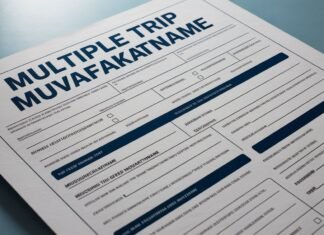
The template below follows a simple embassy-friendly structure. It includes identification fields, consent wording, travel or purpose details, validity period, contact information, and signature blocks. It may be useful for:

  • Tourist visa travel
  • Student and academic visa documentation
  • Parental approval for minors
  • Spousal or dependent sponsorship
  • Short-term or long-term travel authorization
  • Limited official authorization

The format is flexible. You may add or remove fields depending on your situation. The main purpose is to provide a professional base layout that can be personalized with accurate information.

Free Embassy-Formatted Muvafakatname Template

You can use the sample below as a general starting point. Replace the bracketed sections with the correct personal details.

“I, [FULL NAME], holder of passport or national ID number [PASSPORT / ID NUMBER], born on [DATE OF BIRTH], hereby give my full consent to [APPLICANT FULL NAME], holder of passport or ID number [PASSPORT / ID NUMBER], to apply for a visa and travel to [COUNTRY] for the purpose of [STUDY / TOURISM / FAMILY VISIT / OTHER SPECIFIC PURPOSE]. I confirm that this authorization is given voluntarily and with full awareness of the stated travel or application purpose.

This consent is valid from [START DATE] to [END DATE] or for the duration required by the related visa, travel, or official process. I may be contacted at [PHONE NUMBER / EMAIL ADDRESS] for verification if necessary.”

Signature: ________________________

Date: _____________________________

This template may be customized for embassies, immigration offices, schools, travel authorities, or notary-related use. If you want to understand the meaning behind this document before using the template, you may read what a Muvafakatname is and why it matters.

How to Fill the Template Correctly

Although the document is ready-formatted, correct input of personal details is what makes it useful. When using this Muvafakatname template, make sure the names match passport spelling exactly, including middle names, symbols, hyphens, or special characters. Avoid abbreviations unless they appear the same way in official records.

Passport numbers, national ID numbers, dates of birth, and travel dates should be entered carefully. One incorrect digit or mismatched date may cause questions during document review. Date formatting should follow the style expected by the embassy or authority. If no specific format is required, a clear day-month-year format is usually easier to understand.

If travel dates are not confirmed yet, you may use a reasonable validity period, but the wording should not be too open-ended. Always sign the printed copy using ink if a handwritten signature is required. Many embassies and legal offices do not accept digital signatures unless specifically permitted.

Can This Template Be Used for Student Visa Applications?

Yes. A Muvafakatname template can often be adapted for student visa applications, especially when the applicant is under 18, financially dependent on parents, or needs formal family consent for study abroad. In that case, the purpose section should clearly mention the study plan, destination country, school, university, or academic program if available.

For student-specific wording and consent requirements, you may also view this guide on student visa Muvafakatname format.

Can This Template Be Used for Child Travel?

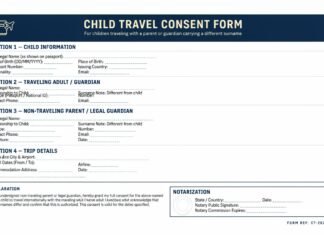
Yes, but it should be customized carefully. If the document is for a minor, include the child’s full legal name, date of birth, passport number, travel destination, travel dates, and the name of the accompanying adult if applicable. The parent or legal guardian giving consent should also be clearly identified.

For child-related cases, you may compare your draft with the child travel Muvafakatname requirements before final submission.

Optional Fields You Can Add

Every embassy or authority may have different document expectations. The template above is general, but you may add these fields if they are relevant to your case:

  • Names of parents or guardians if a minor is traveling
  • Relationship between the consent giver and applicant
  • Flight booking or expected travel date window
  • Accommodation address or host contact details
  • School, university, or institution name
  • Attachment list, such as invitation letter, school acceptance, or visa documents

Adding relevant details can make the document easier to verify. However, unnecessary information should be avoided if it makes the letter confusing.

Does the Template Need Notarization?

Notarization is not always required, but it can make the document stronger in many cases. If the document involves a minor, international travel, embassy submission, or a sensitive legal matter, notarization may help confirm that the signer appeared in person and gave consent voluntarily.

Before submitting the document, check whether the embassy, notary office, school, airline, or immigration authority requires notarization. You can also read how to get a notarized Muvafakatname for more details.

Translation and Language Requirements

If the receiving authority does not accept the language of the original document, translation may be required. The translated version should match the original exactly. Names, dates, passport numbers, purpose, and validity period must remain consistent across both versions.

If the case involves visa, embassy, or legal review, a certified translation may be safer than an informal translation. You may also review how to translate a Muvafakatname before using the document internationally.

Where to Get More Legal Clarity if Needed

If you want to confirm travel-consent expectations for minors and dependent travel, you may review guidance from the U.S. Visa and Travel Information Portal. For general background on consent authorization formats, some readers also review this consent letter overview.

Why This Template Can Work for Many Situations

This Muvafakatname template can be useful because it contains the core elements authorities often look for: identity, consent, purpose, validity, contact details, and signature. It is structured like a formal declaration, which makes it easier to read and verify.

Using a template also reduces stress. Instead of worrying about the full structure, you can start with a clear foundation and focus on entering accurate information. The final version should still be checked against passports, visa forms, travel records, school documents, or other supporting papers.

Common Mistakes to Avoid When Using a Template

Even when using a ready format, applicants can still make mistakes. Common problems include:

  • Leaving bracketed placeholder text inside the final document
  • Using names that do not match passports or ID cards
  • Forgetting to add travel dates or validity period
  • Using vague wording for the travel or visa purpose
  • Submitting the document without a signature
  • Ignoring notarization or translation requirements

Before final use, read the document line by line and compare every detail with official records. You may also review common Muvafakatname mistakes before printing or submitting it.

Final Summary

This free Muvafakatname template can help you prepare a clear consent document for embassy, visa, student, child travel, spouse sponsorship, tourism, or limited official use. You can insert names, passport details, dates, travel purpose, contact information, and signature fields to create a more complete document.

Once you customize the template, review every detail carefully, check whether notarization or translation is needed, and make sure the final version matches all supporting records. A well-structured Muvafakatname is easier for embassies, immigration offices, notaries, and institutions to review.

LEAVE A REPLY

Please enter your comment!
Please enter your name here