
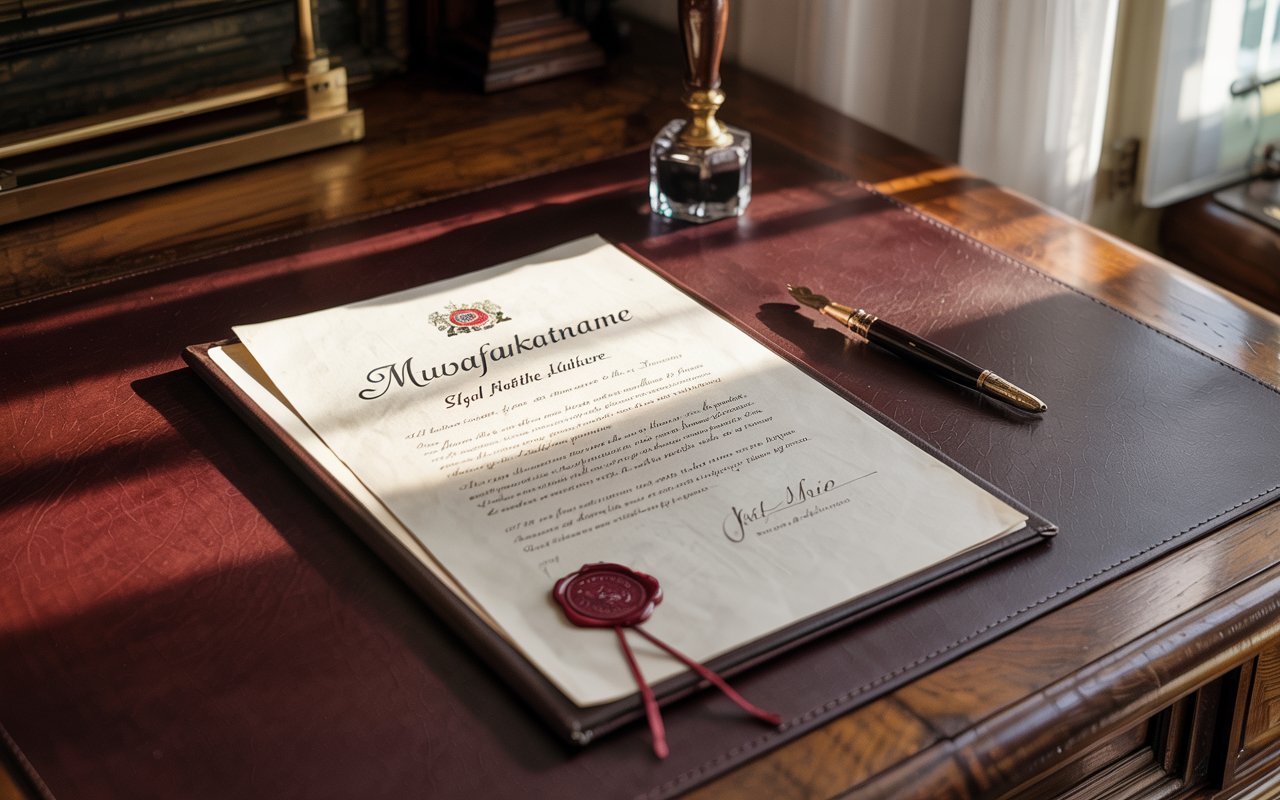
A Muvafakatname is a written document used to grant consent from one person to another, allowing a specific action, travel, legal request or representation to take place. The simplest way to describe it is that it functions as a formal permission letter. However, unlike informal agreements, this document holds legal and procedural value. Embassies, airlines, schools, government offices, and immigration authorities often ask for a Muvafakatname to confirm that the person involved has willingly approved a decision.
It is widely used in cases where a child travels abroad without both parents, when a spouse handles a visa matter individually, or when one person authorizes another to complete official work on their behalf. The purpose is not only to show agreement, but also to prevent misunderstanding, conflict or legal disputes later. When written properly, it becomes an important supporting document that protects both the approving party and the traveler.
Why This Document Matters
Many people underestimate the importance of written consent until it becomes necessary. But when dealing with international travel or visa processing, verbal permission is never enough. Authorities require documentation that confirms responsibility, shared agreement and awareness. A Muvafakatname answers all of those requirements in one clear statement, which is why it is widely recognized in legal and travel procedures.
One of its main roles is protection. If one parent is traveling abroad with a child and the other parent is absent, the consent letter proves to immigration officers that the trip is not a case of abduction or unauthorized movement. For families, it offers peace of mind. For officials, it is evidence of safety and integrity. Travelers who already have it prepared avoid unnecessary interrogation at borders or embassy counters.
Situations Where a Muvafakatname Is Required
The document applies to various scenarios. Some of the most common include:
- A child or minor traveling without both parents present
- A spouse applying for visa or residence documents alone
- An adult authorizing another person to collect legal documents
- Guardians handling school or medical responsibilities for a minor
- Family approval needed for immigration or long-term stay abroad
While the requirements differ by country, these are globally common situations. Parents, guardians and partners often keep a Muvafakatname ready, especially when international travel is planned. A helpful resource that explains child travel paperwork in more depth can be found here: Child Travel Muvafakatname Guide.
Details a Valid Muvafakatname Must Include
To be accepted by an embassy or border authority, the document must contain certain details clearly and accurately. These details ensure that the letter is security-verified, traceable, and cannot be questioned later. A proper Muvafakatname typically includes:
- Full legal names of both parties
- Passport or government ID numbers
- Date and country of birth
- Purpose for granting permission
- Duration of approval (start and end dates)
- Signatures of the person granting consent
Optional but recommended additions include contact numbers, travel itineraries, address of stay, airline details and copies of identification cards attached to the document. Small details can prevent approval delays and make the letter stronger legally.
Is Notarization Necessary?
Whether notarization is required depends on the purpose and destination. Some countries accept a simple signed document. Others, especially European states under Schengen regulations, strongly prefer a notarized or legalized format. Notarization confirms that signatures were given willingly and reduces the risk of forged consent.
Although it is not always mandatory, legalizing the document is highly recommended when a minor is involved. It may also be needed if the document will be used outside your home country. For such cases, embassy-level authentication provides additional legal strength.
Benefits of Having One Prepared Early
One of the most practical advantages is time. Embassy systems often request supporting documents, sometimes unexpectedly. Having a Muvafakatname prepared in advance can prevent a visa delay or airport issue. Other benefits include:
- Clear proof of mutual decision
- Reduced questioning at immigration points
- Faster approval for school or medical processes
- Protection in case of disputes or misunderstanding
- Smooth official processing when a representative is handling tasks
People often assume they will not need it until the moment arrives — and by then it is too late. Early preparation is always safer.
How to Prepare the Document at Home
A Muvafakatname does not always require a lawyer. If the key information is correct and clearly written, you can prepare it yourself. Many prefer using templates to avoid mistakes, especially when submitting documents to embassies. A structured format makes the process faster and ensures completeness. You may access a downloadable file here if needed: Free Embassy Muvafakatname Template.
For individuals preparing their own consent letter for the first time, a step-by-step tutorial is recommended. It explains how to format the document, what language to use and how to insert essential data correctly. Full instructions can be found here: How to Write a Muvafakatname for Visa Applications. Following a verified guide increases approval success and lowers the risk of errors.
Where to Check Global Consent Guidelines
Differing country rules mean you may also need to review official consent regulations. Some governments provide online guidance to ensure minors travel safely. A reliable and widely referenced source is available through the U.S. State Department at travel.state.gov. Supporting knowledge about consent letters in general can also be reviewed through Wikipedia consent overview for background understanding.
Final Thoughts
A Muvafakatname is more than a simple document — it is a protective legal agreement that confirms voluntary permission. With correct details, clear signatures and supporting identification, it allows embassies, schools, airports and authorities to verify consent smoothly. Families, guardians and partners who prepare it early save time, reduce complications and ensure safe and responsible travel. Whether you are applying for a visa, sending a child abroad, or authorizing someone for official tasks, this document helps maintain clarity, legality and peace of mind.