
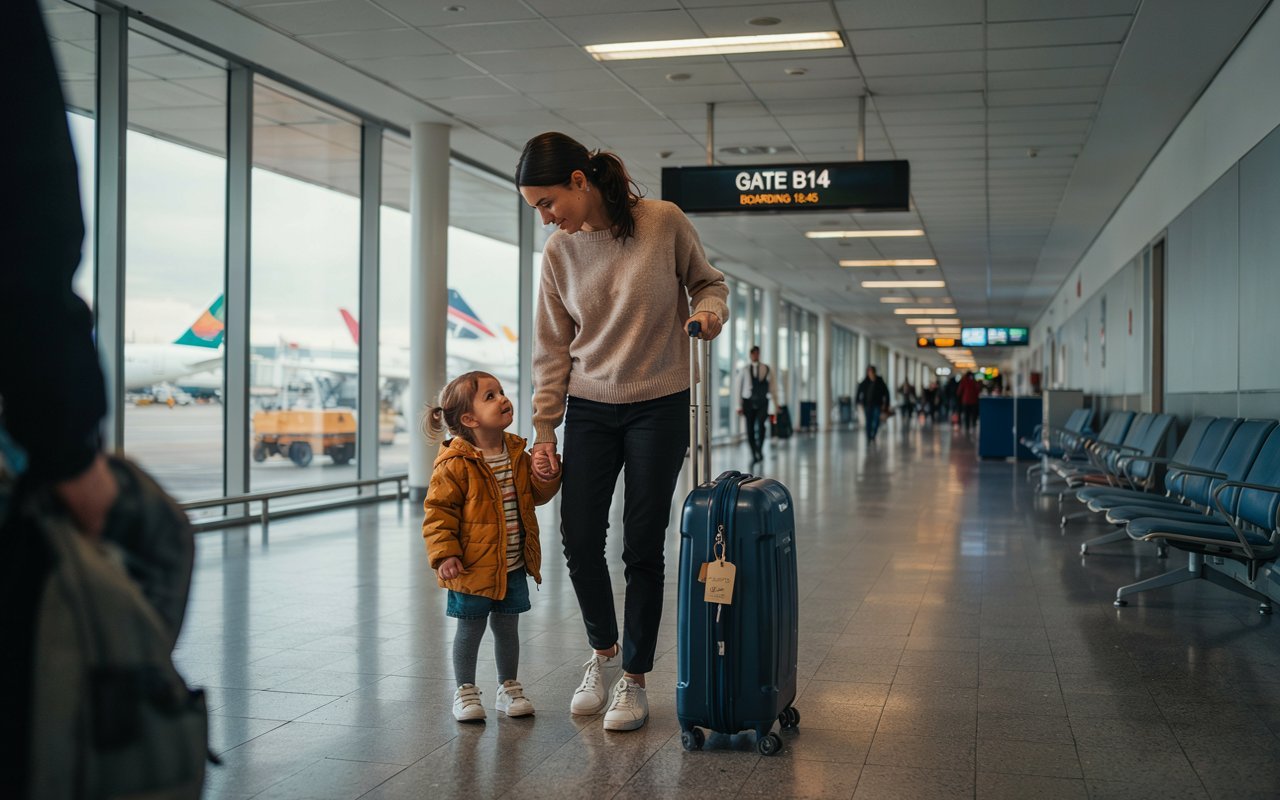
Travelling abroad with a child may seem straightforward when a mother or father is beside them, yet the paperwork can change when the other parent stays home. Border officers, airline staff, or consular personnel may want proof that the absent parent knows about the journey and agrees to it. A one parent travel muvafakatname provides that proof in writing. It identifies the travelling parent, records the other parent’s permission, and gives officials a practical way to verify the arrangement.
This guide covers only trips where a child travels with one parent. It explains consent, contact details, passport copies, and border preparation. Rules differ by citizenship, route, custody arrangement, and airline, so check official requirements before departure.
Who Signs a One Parent Travel Muvafakatname?
In a typical two-parent arrangement, the parent who stays home gives consent. If the mother travels, the father usually signs when he holds parental responsibility; if the father travels, the mother usually signs. The document simply shows that the absent parent approves the stated trip.
The correct signer is determined by legal responsibility, not merely biology or whose name appears on the booking. An adoptive parent, guardian, or person named in a court order may be the relevant decision-maker. Before drafting a one parent travel muvafakatname, review the child’s birth record, guardianship papers, custody order, or parenting agreement. The person whose permission matters legally should sign.
Where one parent has sole authority, a second signature may not be required. Carry proof, such as a final custody or guardianship order. Never use a consent letter to hide a dispute, imitate a signature, or replace court permission. Seek legal advice when the position is unclear.
Define What the Absent Parent Approves
Consent should relate to a recognizable journey rather than a vague statement allowing travel anywhere. A useful one parent travel muvafakatname connects the child, accompanying parent, consenting parent, and itinerary. State the destination, departure and return dates, and a brief purpose such as tourism, a family visit, medical care, or a school program.
The absent parent can authorize the named child to travel with the named mother or father for a stated period. List multiple countries in travel order and include transit points where immigration is passed or an overnight stay occurs. Avoid open-ended permission unless an authority accepts it.
Prepare a new letter when important details change. An old consent showing a previous passport number, different destination, or expired dates may create doubt. The letter and booking should tell the same story.
Use Contact Details That Work
Officials may contact the absent parent to confirm consent. Include a current mobile number with country code, an actively monitored email address, and a residential address. If that parent will be elsewhere during the trip, add an alternative number where useful.
The absent parent should know the route, dates, flight details, accommodation address, and planned return. They should also keep a copy of the signed one parent travel muvafakatname. This helps them answer consistently if an airline or border officer calls. Do not provide a phone that will remain switched off or a workplace number where nobody understands the situation.
Consider time zones. Keep the absent parent’s phone audible around departure, transit, and arrival. An emergency contact may be listed, but that person does not replace the parent or guardian whose consent matters.
Passport and Identity Copies to Carry
A clear copy of the absent parent’s passport or government ID can connect the signature to a verifiable identity. It should display the legal name, photograph, document number, nationality, and validity details. The name should match the one parent travel muvafakatname. Usually, the identity page is more useful than unrelated visa pages.
Carry both passports and proof of the relationship. A birth or adoption certificate helps when surnames differ. A marriage certificate, divorce record, or name-change document may explain differences between current and older records.
Copies must be readable and complete. Keep the original consent in hand luggage with one paper copy and supporting records. A secure digital scan is useful for emergencies but may not replace the original.
Separated, Divorced, and Remarried Parents
Separation does not automatically remove legal responsibility. The non-travelling parent may still need to sign. Review court orders for rules on foreign travel, notice, destinations, passports, or trip length.
A one parent travel muvafakatname must match those orders. If an order allows travel only after advance notice, the file should show that the condition was respected. Carry the relevant pages rather than an entire private family case file. Protect sensitive records and show them only when needed.
Remarriage can also create confusion. A stepparent may organize the holiday but does not automatically gain authority to consent. The appropriate parent or guardian should sign. When several surnames appear across family documents, relationship and name-change records become more important.
When the Other Parent Cannot Sign
The absent parent may be deceased, impossible to locate, detained, legally incapable, or unsafe to contact. Do not invent details or copy a signature. Use genuine evidence, which may include a death certificate, sole-custody order, guardianship decision, or court authorization. A lawyer can advise when no clear document exists.
If the parent lives abroad, distance alone does not remove the issue. They may sign before a notary, consular officer, or accepted witness. Confirm any notarization, translation, legalization, or apostille requirement with the relevant authorities.
The Government of Canada’s official child consent guidance recommends a signed letter from a parent or decision-maker who is not travelling and explains that airline or immigration authorities may request it. It also favors carrying the original signed document. This is preparation guidance, not a substitute for another country’s law.
Prepare for the Airline and Border Separately
Airline and immigration checks are different. A carrier may require its own form. Contact the operating airline, not only the booking agent, and ask about a minor travelling with one parent. For codeshares, check each operating carrier.
Departure, transit, and destination rules may differ. The European Union’s minor travel document information notes that children with one parent may need additional authorization and that countries set their own requirements. Transit countries and airlines may also ask.
Finish the one parent travel muvafakatname early enough to correct mistakes, arrange witnessing, or obtain a translation. Last-minute preparation often fails because an old passport number is used, the signer cannot be reached, or dates do not match the ticket.
Build a Border-Ready Document Packet
Organization is more useful than carrying every family paper. Place the documents in this order. Keep every paper dry, flat, secure, and easy to reach.
- The child’s passport, visa, or residence document.
- The travelling parent’s passport.
- The original signed consent letter.
- A copy of the absent parent’s passport or ID.
- A birth, adoption, or guardianship record.
- Any relevant custody, death, or court document.
- The return booking, address, and basic itinerary.
Before leaving home, compare the one parent travel muvafakatname with the child’s passport line by line. Check names, dates of birth, passport numbers, destination spelling, departure and return dates, and the accompanying parent’s identity. Then compare it with the booking. Even a signed letter may appear unreliable when its details conflict with the itinerary.
Answer Border Questions Calmly
Officials may ask where the family is going, how long the trip will last, who the other parent is, and whether that person agreed. Answer simply and truthfully. A child should not be coached to repeat a complicated story. Clear, consistent facts are more useful than memorized legal language.
Keep the absent parent reachable, but let officials decide whether to call. Present the document when requested. If surnames differ, show the relationship record. Retain the original unless an authority formally requires it.
Final Check Before Departure
Two or three days before travel, confirm that the absent parent’s phone works, the ID copy is readable, and every document remains valid. Recheck the airline policy and official entry and exit requirements for the full route. Keep the one parent travel muvafakatname where it can be reached without opening checked baggage.
For the general purpose of this consent document, read the muvafakatname child travel guide. For details normally included in the letter, see the child travel muvafakatname requirements. When the letter supports a visa application, use the embassy submission guide to organize the wider file.
Final Thoughts
A one parent travel muvafakatname works best when it can be checked quickly. The correct person signs, the absent parent stays reachable, identity copies are clear, relationship records explain the family connection, and every date matches the journey. These steps cannot guarantee entry or replace country-specific rules, but they provide a coherent record of consent.
When custody is disputed or an order restricts travel, obtain legal advice before departure. For an agreed family trip, preparing the one parent travel muvafakatname carefully can reduce avoidable delays and make border preparation less stressful.
Legal notice: This article provides general educational information, not legal advice. Child-travel rules vary by country and family circumstances. Check official embassy, immigration, airline, and court requirements for your case.