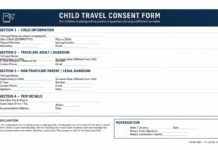

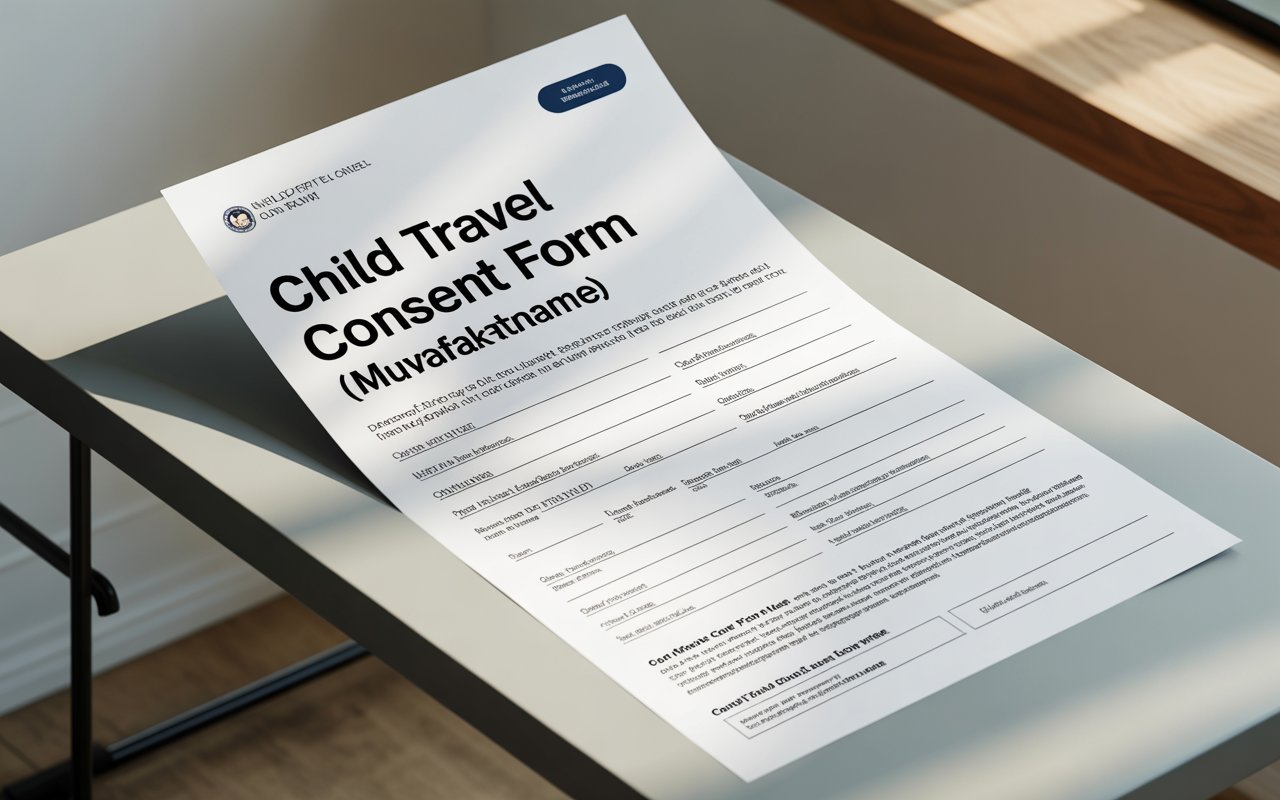
When a child travels without both parents, the paperwork must be taken seriously. A passport and visa may not be enough on their own. Airlines, border officers, schools, travel agencies, and consulates may also want written proof that the child has permission to travel. That proof is often given through a muvafakatname, also called a child travel consent letter or parental authorization document.
Many parents know they need the document, but they are not sure what information it should contain. That is where this guide helps. It explains the child travel muvafakatname requirements in a simple, practical way so that families can prepare a clear and credible document before the trip begins.
Why This Document Matters for Child Travel
A child travel muvafakatname helps show that the trip is lawful, approved, and understood by the relevant parent or guardian. It is especially important when:
- the child is travelling with only one parent
- the child is travelling alone
- the child is travelling with grandparents, relatives, teachers, or another adult
- the parents are divorced or separated
- the destination country may ask for written parental permission
Parents who want a broader overview before drafting this document can also review this child travel muvafakatname guide, which explains when parental consent becomes necessary in real travel situations.
The document is not just a formality. It can reduce questions at airports, make visa files stronger, and help protect children from unauthorized international travel. That is why understanding the child travel muvafakatname requirements is so important before departure.
Basic Purpose of a Child Travel Muvafakatname
The purpose of the document is straightforward. It tells a third party that the child’s parent or legal guardian agrees to the trip. It also helps explain who the child is travelling with, where the child is going, and for how long. In more sensitive cases, it can support a parent’s position if custody or guardianship questions arise during travel.
If you are new to the concept, it helps to first understand what a muvafakatname is. That foundation makes the travel-specific requirements much easier to understand.
Main Child Travel Muvafakatname Requirements
A proper child travel muvafakatname should be clear, specific, and easy to verify. The safest approach is to include all the essential identification and travel details in one well-structured document. The core child travel muvafakatname requirements usually include the following sections.
1. Full name of the child
The child’s name should be written exactly as it appears on the passport or official ID. Avoid nicknames, shortened forms, or spelling variations. Even small differences can create confusion in official settings.
2. Child’s date of birth
The date of birth should be included clearly. This confirms that the document applies to a minor and helps connect the consent letter to the correct child, especially where siblings or similar names are involved.
3. Passport or identification details
If the child has a passport, it is wise to include the passport number and nationality. Some parents also include national ID details where relevant. This makes the document stronger because it links consent to a specific official identity record.
4. Full names of the parents or guardians
The document should identify the parent or legal guardian giving consent. If both parents must sign, both names should appear in full, along with their relationship to the child.
5. Contact details of the parent or guardian
This usually includes home address, phone number, and email address. The reason is simple: if an authority wants to verify the document quickly, they need a way to contact the person who gave permission.
6. Name of the accompanying adult
If the child is not travelling alone, name the adult who will accompany the child. This person may be the other parent, a grandparent, teacher, coach, relative, or another trusted adult. The relationship should be stated clearly.
7. Destination and travel dates
The muvafakatname should explain where the child is travelling and for what period. The destination country, city if known, and departure and return dates should appear in the document. This is one of the most important child travel muvafakatname requirements because it shows exactly what permission is being given.
8. Purpose of the trip
The reason for travel should be stated briefly but clearly. Examples include tourism, school trip, visiting relatives, medical travel, summer camp, student program, or holiday travel. A simple and honest statement is enough.
9. Clear statement of consent
The document must explicitly say that the parent or guardian permits the child to travel. A vague letter is not enough. The wording should leave no doubt that permission has been granted voluntarily.
10. Signature of the parent or guardian
The person granting permission should sign the document. In many cases, especially for international travel, notarization is also recommended because it adds legal strength to the signed consent.
What Good Consent Wording Looks Like
A good child travel muvafakatname does not need complicated legal language. It only needs precise wording. For example, the parent can state that they authorize their child to travel to a named destination with a named adult for a specific period. The wording should connect the child, the trip, the adult, and the parent’s permission in one clear sentence.
This is one reason parents should not rush the drafting stage. The child travel muvafakatname requirements are not only about filling in names. They are also about making the consent understandable to someone who has never met the family.
Supporting Documents That Strengthen the Letter
In many travel situations, the muvafakatname is not enough on its own. It is often best used together with supporting papers. Common supporting documents include:
- a copy of the child’s passport
- a copy of the child’s birth certificate
- a copy of the non-travelling parent’s passport or ID
- custody or guardianship documents where relevant
- adoption papers if applicable
- death certificate if one parent is deceased
- travel itinerary or flight booking
Including these documents can make the file far stronger. When an authority sees a complete package, the letter looks more trustworthy and easier to verify.
Special Case: Child Travelling With One Parent
This is one of the most common situations. If a child travels with only one parent, the non-travelling parent’s authorization is often the key issue. In this case, the muvafakatname should clearly identify:
- the parent travelling with the child
- the parent who is not travelling
- the child’s full details
- the destination and dates
- the non-travelling parent’s consent
Authorities may also ask for proof of relationship, especially if the child and accompanying parent do not share the same surname. This is why the child travel muvafakatname requirements should always be considered together with birth certificates and ID copies.
Special Case: Child Travelling Alone
When a child travels alone, the document usually needs even more care. In addition to the usual content, parents should include details about who will receive the child at the destination, contact numbers, and any arrangements made with the airline if the child is being treated as an unaccompanied minor.
If this is your situation, review guidance for minors traveling alone with a muvafakatname. The risks and documentation needs are higher when there is no parent travelling with the child.
Special Case: Divorced or Separated Parents
Where parents are divorced or separated, the child travel muvafakatname should be handled carefully. One parent may have sole custody, shared custody, or a court-defined parenting arrangement. In these cases, the document should match the legal reality.
Possible supporting records include:
- court custody order
- guardianship decision
- written parenting agreement
- evidence that one parent has sole authority to decide on travel
If only one parent signs, the rest of the file should explain why. A missing signature without explanation can create unnecessary problems. This is one of the most overlooked child travel muvafakatname requirements in real-life travel planning.
Should the Document Be Notarized?
In many international travel cases, notarization is highly recommended. A notarized muvafakatname is stronger because the notary helps verify the identity of the signer and formally attests the act. While some destinations may not expressly require notarization every time, families often choose it as a precaution.
Notarization is especially wise when:
- the child is travelling internationally
- the child is travelling with another adult
- the parents are separated or divorced
- the letter may be reviewed by a visa office or border authority
- the document will be translated or legalized
So while a basic signed letter can show consent, notarization can make compliance with child travel muvafakatname requirements much more practical in official settings.
Does the Letter Need to Be in English?
If the destination country uses English, or if the airline and immigration officers are likely to work in English, preparing the document in English is often the safest option. If the original is in another language, a certified translation may be useful or necessary.
Some families prepare both versions together: the original language document and an English translation. This reduces confusion and makes the file easier to review quickly at the airport or during visa processing.
Common Mistakes to Avoid
Parents often try to prepare the letter quickly and overlook important details. Common mistakes include:
- using the wrong passport spelling of the child’s name
- leaving out travel dates
- failing to identify the accompanying adult
- not including the non-travelling parent’s contact information
- submitting the document without signature or notarization
- sending a low-quality scan
- forgetting birth certificate or custody documents
Most of these problems are easy to avoid. The best approach is to review the full child travel muvafakatname requirements as a checklist before the trip.
Simple Checklist Before Travel
Before the child leaves, confirm the following:
- the child’s full legal name is correct
- passport details are accurate
- destination and travel dates are listed
- the accompanying adult is identified
- the consent statement is clear
- the parent or guardian signed the document
- notarization was completed if needed
- supporting ID and relationship documents are ready
- translation is attached if necessary
This final review may seem simple, but it is often what turns a basic permission letter into a travel-ready file.
How Detailed Should the Document Be?
The document should be detailed enough to remove doubt, but not so complicated that it becomes confusing. A short letter with the right information is better than a long letter filled with unnecessary explanations. Focus on identity, travel plan, authority to consent, and contact information.
That is the practical balance behind the child travel muvafakatname requirements. You want the document to be complete, but also easy for a visa officer, airline staff member, or border official to understand quickly.
Final Thoughts
A child travel muvafakatname is one of the most important documents a family can carry when a minor travels without both parents. It proves consent, clarifies responsibility, and supports the child’s right to travel in a lawful and traceable way.
The safest approach is to include full child details, parent or guardian information, travel dates, destination, purpose of the trip, and a clear statement of permission. Add supporting documents where needed, and choose notarization when the trip or circumstances are more sensitive.
In short, the child travel muvafakatname requirements are not difficult, but they do require care. A well-prepared letter can prevent delays, answer questions quickly, and make travel smoother for both the child and the adults responsible for the trip.
For official guidance on what a consent letter usually includes, see Canada’s official child travel consent guidance. For additional supporting information on travel documents for children, see this child travel documents guide.