
Home Visa & Travel Parental Muvafakatname for Minors Traveling Alone

Parental Muvafakatname for Minors Traveling Alone

13
parental muvafakatname minors

When a child travels without both parents, authorities often require a parental muvafakatname to confirm that the journey is approved. This document plays a critical role in international travel, especially when minors are traveling alone, with one parent, or with another guardian. Without proper consent, immigration officers may question the travel, delay the process, or even deny departure or entry.

A parental muvafakatname is more than a simple permission letter. It is a legally sensitive document that proves the child’s travel has been authorized by a parent or legal guardian. Because child safety and legal responsibility are involved, authorities treat these documents with extra care.

Why a Parental Muvafakatname Is Required

International travel rules are strict when it comes to minors. Governments want to prevent child abduction, custody disputes, and unauthorized travel. A parental muvafakatname provides written confirmation that the child has permission to travel and that the responsible adult is aware of the journey.

In many cases, airlines, immigration officers, and embassies may ask for this document before allowing the child to travel. Even if it is not always mandatory, having a parental muvafakatname reduces the risk of complications at checkpoints.

To understand the general process for children traveling internationally, you can also review this detailed guide on muvafakatname for child travel before preparing your document.

When Is a Parental Muvafakatname Needed?

A parental muvafakatname is usually required in the following situations:

  • The child is traveling alone
  • The child is traveling with only one parent
  • The child is traveling with relatives or a guardian
  • The travel involves international borders
  • The destination country has strict child travel rules

Even if the rules are not always clearly stated, many countries strongly recommend carrying a consent document to avoid problems during travel.

What Should Be Included in a Parental Muvafakatname

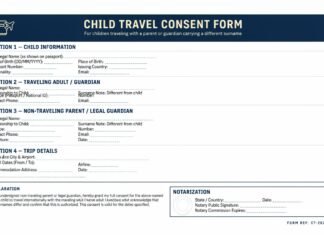
To ensure the parental muvafakatname is accepted, the document should include complete and accurate information. A well-prepared consent letter normally contains:

  • Full name of the child
  • Date of birth of the child
  • Passport number of the child
  • Full name of the parent or guardian giving consent
  • Relationship between the parent and child
  • Travel destination and purpose
  • Travel dates or validity period
  • Contact details of the parent
  • Signature and date

Each of these elements helps confirm the identity of the parties and the legitimacy of the consent. Missing or incorrect information can cause delays or rejection.

Writing the Consent Clearly and Properly

When preparing a parental muvafakatname, clarity is essential. The document should clearly state that the parent or guardian gives permission for the child to travel. It should also mention the destination and the person responsible for the child during the journey.

For example, the consent can state that the child is allowed to travel to a specific country with a named individual for a defined period. This type of clear wording helps immigration officers quickly understand the purpose of the document.

Does the Document Need Notarization?

In many cases, notarization is recommended or required for a parental muvafakatname. Notarization verifies that the signature is authentic and that the consent was given willingly. This adds legal strength to the document and increases the chances of acceptance abroad.

Some countries may accept a signed letter, but others prefer or require notarized documents, especially when minors are traveling alone. It is always safer to check the requirements before travel.

Country-Specific Requirements for Minors

Each country may have different rules for child travel. Some require additional documents, while others have specific wording expectations. For example, countries like Canada and the United Kingdom often emphasize clear parental consent for minors.

If your travel involves these destinations, it is useful to understand the rules discussed in child travel muvafakatname requirements so you can prepare your document accordingly.

What Happens Without a Parental Muvafakatname?

Traveling without a parental muvafakatname can lead to serious issues. Immigration officers may stop the child from traveling, ask for additional verification, or delay the journey. In some cases, authorities may contact the parent directly to confirm consent.

This can be stressful for both the child and the accompanying adult. Providing a properly prepared parental muvafakatname reduces these risks and ensures smoother travel.

How to Avoid Common Mistakes

Even when people understand the purpose of the document, they often make avoidable mistakes. Common problems include:

  • Incorrect or incomplete names
  • Missing passport numbers
  • Unclear travel dates
  • Unsigned documents
  • Using informal language

To avoid these issues, always review the document carefully before finalizing it. Check all details against official records and ensure everything is accurate.

Validity and Renewal of the Document

A parental muvafakatname is usually valid for a specific period. It should match the travel dates or intended duration of the trip. If the document expires before the journey, it may not be accepted.

In such cases, it is necessary to renew the muvafakatname to ensure it remains valid for travel.

Additional Supporting Documents

Along with a parental muvafakatname, authorities may request supporting documents. These may include:

  • Copies of parents’ passports
  • Child’s birth certificate
  • Custody documents if applicable
  • Travel itinerary

These documents help confirm the information in the consent letter and provide additional proof of authorization.

Helpful Guidance for Child Travel Consent

Some parents also review the official travel guidance for minors to understand how consent documents are treated during international travel. For general background, it can also be useful to explore information about child travel consent to understand why these documents are important.

Final Thoughts

A well-prepared parental muvafakatname is essential when minors are traveling alone or with limited supervision. It provides legal clarity, protects the child, and ensures that authorities recognize the travel as authorized.

By including accurate information, using clear wording, and following country-specific requirements, you can create a strong and reliable consent document. Taking the time to prepare it properly can prevent delays and make the entire travel process smoother and more secure.

LEAVE A REPLY

Please enter your comment!
Please enter your name here