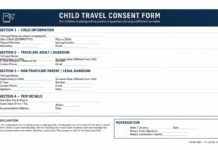


A school orchestra flying to a festival, a youth football team crossing a border, or a religious group taking children on an organised tour creates a different documentation problem from ordinary family travel. Several minors may be supervised by teachers, coaches, volunteers, or tour staff while their parents remain at home. A group travel muvafakatname should make that arrangement understandable by identifying the responsible adults, connecting every child to parental permission, and setting out the itinerary, accommodation, and emergency communication plan.
This guide covers organised journeys involving schools, sports teams, religious organisations, music groups, and supervised tours. It explains how to document the group so airlines, visa officers, border authorities, hotels, and emergency services can identify who is responsible for each child.
Parents should receive the final leader list and itinerary before departure, not an outdated draft prepared during early planning.
Why Group Travel Needs a Structured Consent File
An organised journey may include many children, several leaders, different joining points, and more than one destination. A vague statement that “the school has permission” may not show which parent approved which child’s travel or which adult has immediate responsibility. A group travel muvafakatname should therefore work with a named roster and a clear leadership structure.
Each child should usually have an individual permission document, even when the organisation prepares a master file. The individual form identifies the child and consenting parent; the master file organises names, passport details, rooms, transport, and contacts without placing every family’s private information on one shared form.
Identify the Organising Body
Name the school, club, team, congregation, charity, academy, or tour organiser. Include its official address, telephone number, email address, and a responsible administrator who remains available while the group is away. If an external travel company handles transport or accommodation, identify it separately rather than presenting it as the child’s school or legal guardian.
The group travel muvafakatname can briefly describe the purpose of the journey: an educational visit, tournament, training camp, pilgrimage, youth conference, choir performance, music competition, cultural exchange, or supervised holiday. The description should match invitations, bookings, visa applications, and information given to parents.
Name the Group Leader and Chaperones
Identify the group leader by legal name, date of birth, nationality, passport or ID number, mobile number, email, role, and organisation. State whether the person is a teacher, coach, team manager, youth leader, music director, or tour representative.
If several adults supervise the children, list each chaperone in an attachment. The group travel muvafakatname should name the primary leader, deputy, and the adult responsible for each subgroup, vehicle, room block, or activity.
Do not call every accompanying adult a legal guardian. A teacher or coach may supervise children without holding parental responsibility. Use accurate terms such as “group leader,” “coach,” “chaperone,” or “tour supervisor,” and document any separate medical authority carefully.
Connect Permission to Each Child
Parents or legal decision-makers should be able to see exactly what they are approving. Each permission form should state the child’s full legal name, date of birth, passport details, destination, travel dates, purpose, organising body, and lead supervisor. If parents share legal responsibility, the organisation should check whether both signatures are required for that child’s circumstances and route.
A group travel muvafakatname should not be used to conceal a custody dispute or bypass a court restriction. When one parent has sole authority, supporting evidence may be needed. School enrolment, team membership, or payment for the trip does not by itself prove legal consent.
Global Affairs Canada explains that a consent letter can demonstrate that a child has permission to travel abroad when a parent or legal guardian is not accompanying them. Its official consent-letter guidance provides a useful structure. Organisers should still verify the rules of every destination, transit country, and operating carrier.
Prepare a Detailed Itinerary
The itinerary should let a parent or official follow the group’s movement. Include departure and return dates, transport numbers, border crossings, transit airports, cities, activity locations, and transfers. For road travel, identify the transport company and major stops.
The itinerary attached to the group travel muvafakatname should match bookings and visa documents. If children join or leave at different points, record those differences. A sports team may send some players home after a tournament, while a music group may continue to a second performance city.
State how parents will be told about material changes. Minor operational adjustments may be allowed, but changes to destination, duration, or responsible adults should be communicated according to the permission given.
Record Accommodation Clearly
List the name, full address, telephone number, and booking contact for each hotel, hostel, school residence, camp, retreat centre, or host organisation. If the group changes accommodation, provide the dates for each location. “Accommodation arranged by the school” is not enough when a parent or officer needs to locate a child.
The group travel muvafakatname need not publish room numbers, but the leader should keep a secure rooming list showing overnight supervision and adult assignments. Share sensitive information only with authorised people.
For homestays, identify the receiving organisation and tell parents how they will receive host details. Check whether private-home accommodation needs extra permission, safeguarding review, insurance, or local registration.
Create an Emergency Contact Structure
A reliable contact plan needs more than one telephone number. The group file should contain the primary leader’s mobile number, deputy leader’s number, organisation’s emergency line, local host or travel operator, accommodation desk, transport provider, and the parents or guardians of each child. Include international dialling codes.
Parents should know which number to call first and what to do if it is unanswered. The group travel muvafakatname may identify the group leader as the first travel contact and the organisation’s home-based coordinator as backup. The coordinator should hold copies of the roster, itinerary, consent records, insurance information, and relevant authority contacts.
Test emergency numbers before departure and plan for lost phones, poor coverage, time-zone differences, or an unreachable parent. Keep the information secure but accessible to authorised adults.
Adapt the File to the Type of Group
School and Educational Trips
Identify the administrator, visit leader, teachers, educational purpose, locations, and home emergency contact. The United Kingdom’s educational visit guidance notes that higher-risk or out-of-hours trips may require written consent. International rules must still be checked separately.
Sports Teams
Include the coach, team manager, competition organiser, venue, training schedule, player roster, and any different return arrangements. The group travel muvafakatname should not assume that a coaching role automatically includes authority over passports, medical decisions, or travel changes. Those responsibilities should be documented expressly.
Religious and Community Groups
Identify the organisation, senior leader, youth supervisors, local host, accommodation, and transport. Describe the purpose neutrally and accurately, such as pilgrimage, retreat, conference, or community service. If volunteers change during the journey, record who takes responsibility at each stage.
Music and Performance Groups
Identify the music director, tour manager, venues, rehearsal sites, and equipment plan. Record every transfer and accommodation change. Passports and confidential information should remain with authorised adults, not inside instrument cases.
Organised Tours
Distinguish the commercial operator from the adult who directly supervises the child. Record the tour company’s legal name and emergency line, but also identify the guide or leader assigned to the group. If leadership changes between cities, document how parents and officials can verify each replacement.
Keep the Group Packet Organised
The lead adult should carry an index showing each child, document location, parent contacts, and assigned chaperone. Store papers in labelled sections so one child’s records can be produced without exposing other families’ data. The deputy should know how to access the file.
Before departure, compare the group travel muvafakatname, passport, ticket, visa, roster, and itinerary for every child. Check spelling, passport numbers, validity dates, destination details, signatures, and emergency numbers. Keep originals where required, working copies for authorised leaders, and secure backups under the organisation’s privacy procedures.
If a child completes part of the route without the group, review the muvafakatname for minors travelling alone. Longer educational stays may also require the student visa muvafakatname guide. A broader checklist is available in the child travel muvafakatname requirements.
Final Review Before Departure
A strong group travel muvafakatname identifies the organisation and leaders, connects permission to each child, explains the itinerary, records every accommodation, and creates an emergency contact chain that can function across borders and time zones.
Review the complete packet shortly before departure and after any change to flights, leaders, hotels, or participants. When consent is disputed, a court order applies, or the group crosses countries with different document rules, obtain advice from the relevant embassy, immigration authority, airline, school authority, or qualified lawyer.
Used carefully, a group travel muvafakatname gives parents and officials one coherent account of the organised journey without confusing supervision with legal guardianship.
Legal notice: This article provides general educational information and is not legal advice. Requirements for minors travelling in organised groups vary by country, airline, citizenship, activity, and family circumstances. Check current official rules for the entire route before relying on any consent document.