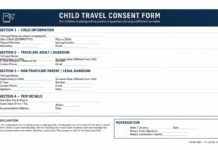

Muvafakatname child travel documents are required when a minor travels internationally with one parent, relatives, or without parents. Immigration authorities and airlines use this written consent to confirm that parents or legal guardians have approved the child’s journey. Even when a child holds a valid passport and visa, missing consent paperwork can lead to questioning, delays, or refusal to board.
This guide explains everything parents need to know about preparing a muvafakatname child travel document correctly. You will learn when it is required, who must sign it, what information must be included, and how to avoid common mistakes that cause travel problems.
Why Muvafakatname Child Travel Is Important
Children are not legally allowed to make independent travel decisions. Because of this, border authorities require written approval from parents or guardians to ensure the child is traveling safely and lawfully. A properly prepared muvafakatname child travel letter protects the child, prevents disputes between guardians, and reduces the risk of unauthorized travel.
Many countries train immigration officers to request parental consent documents during exit or entry checks. Carrying a muvafakatname child travel document gives parents confidence and helps children pass immigration smoothly.
If you want to understand the general purpose of this document before focusing on child-specific rules, you may read what a Muvafakatname is and why it is important.
When Is a Muvafakatname Child Travel Document Required?
A muvafakatname child travel document is commonly required in the following situations:
- The child is traveling with only one parent
- The child is traveling with grandparents or relatives
- The child is traveling as part of a school or sports group
- The child is traveling alone under airline supervision
- The child is under shared custody arrangements
Even when laws do not explicitly require it, airlines often recommend carrying a muvafakatname child travel letter to avoid last-minute problems.
Who Must Sign the Muvafakatname Child Travel Letter?
The muvafakatname child travel document must be signed by the parent or legal guardian who is not traveling with the child. If both parents are absent, both parents should sign the document. In cases of sole custody, parents should carry supporting custody documents to explain why only one signature is present.
For children under legal guardianship, the guardian must sign and provide proof of guardianship. Clear identification details and signatures help authorities verify the document quickly.
What Information Must Be Included?
A properly written muvafakatname child travel document must include accurate and complete details. The following information should always be present:
- Full legal name of the child
- Date of birth and passport number of the child
- Full legal names of parents or guardians
- Travel destination and dates
- Name of the accompanying adult, if applicable
- Contact information of the consenting parent
All names and numbers must match passport records exactly. Even small spelling errors can cause delays at immigration counters.
Is Notarization Required for Child Travel?
Notarization is not mandatory in every country, but it significantly strengthens a muvafakatname child travel document. A notarized letter confirms that signatures are genuine and that consent was given voluntarily.
Many parents choose notarization to avoid disputes or questioning. You can learn more about this process in the guide on how notarization works for a Muvafakatname.
Children Traveling Alone or With Third Parties
When children travel alone or with someone other than a parent, authorities often apply stricter checks. In these cases, the muvafakatname child travel document should clearly name the accompanying adult and explain their relationship to the child.
Airlines offering unaccompanied minor services almost always require written parental approval. Parents should also include emergency contact details and destination addresses to strengthen the document.
More specific guidance for these situations is available in the detailed guide on minors traveling alone.
Common Mistakes Parents Should Avoid
Even experienced travelers sometimes face issues due to small errors. The most common mistakes include:
- Missing parent signatures
- Incorrect passport numbers
- No travel dates listed
- Unclear custody explanations
- Unsigned printed documents
Carefully reviewing the muvafakatname child travel document before departure can prevent stressful situations.
Helpful Guidance for International Child Travel
Parents often consult official guidance when preparing documents for international travel. Information provided by the U.S. government child travel guidance helps families understand documentation expectations. Some parents also review general explanations of consent letters to better understand how written authorization works.
Final Thoughts
A muvafakatname child travel document is a simple but essential safeguard for families traveling internationally. When prepared carefully with accurate details, proper signatures, and optional notarization, it helps children travel safely and legally.
Whether your child is traveling with one parent, relatives, or alone, carrying a well-prepared muvafakatname child travel letter ensures smoother immigration checks and a more relaxed travel experience.