
Home Legal Guide The Legal Validity of a Muvafakatname Abroad

The Legal Validity of a Muvafakatname Abroad

12
Muvafakatname Legal Validity

Muvafakatname legal validity becomes a very important issue when a consent document is used outside the country where it was written. Many people assume that once a muvafakatname is signed, it will automatically be accepted everywhere. In reality, international recognition depends on several factors, including the document format, notarization status, language, travel purpose, and the rules of the country where the document is presented. A muvafakatname that is accepted locally may face questions abroad if it does not meet embassy or immigration standards.

This article explains how muvafakatname legal validity works in international situations, why some countries accept the document easily while others require additional proof, and what applicants should do to avoid rejection. If you are preparing consent documents for visa, travel, study, or family matters, understanding legal validity abroad can save time and prevent serious delays.

Why Muvafakatname Legal Validity Matters Abroad

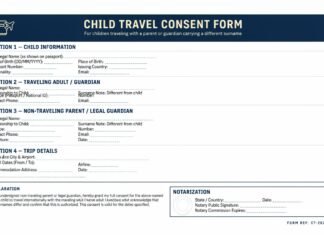
A muvafakatname is a written declaration of consent. It is often used for child travel, visa support, temporary permission, or specific legal authorization. When the document is presented abroad, foreign authorities must be satisfied that the consent is genuine, legally understandable, and still valid at the time of submission.

This is where muvafakatname legal validity becomes important. Officials may ask questions such as whether the signature is authentic, whether the document is notarized, whether it has expired, and whether the wording matches the legal purpose for which it is being used. If the answer to any of these points is unclear, the document may be delayed, questioned, or rejected.

For many international uses, notarization strengthens legal recognition. If you want to understand how that part works, it helps to review how to get a notarized Muvafakatname before using the document abroad.

Does a Muvafakatname Automatically Remain Valid in Another Country?

The short answer is no. A muvafakatname does not become universally valid just because it was correctly signed in its home country. International acceptance depends on the rules of the receiving authority. Some embassies and immigration offices are flexible if the document is clear and notarized. Others require certified translation, legalization, apostille, or specific embassy formatting.

That means muvafakatname legal validity is not just about the content of the document. It is also about whether the receiving country recognizes the form and level of verification used in the original country. A document that is enough for local travel may not be enough for a foreign visa file.

Main Factors That Affect Legal Validity Abroad

Several elements influence whether a muvafakatname will be accepted internationally. The most common factors are:

  • Whether the document has been notarized
  • Whether the names match passports exactly
  • Whether the validity period is still active
  • Whether the travel purpose is clearly written
  • Whether translation is needed for foreign review
  • Whether additional legalization is required

Each of these points matters because foreign authorities must rely on the document without necessarily knowing local legal customs. The clearer and more formal the document is, the stronger its legal standing becomes.

How Notarization Affects Muvafakatname Legal Validity

Notarization is one of the strongest ways to improve muvafakatname legal validity abroad. When a notary verifies the identity of the signer and witnesses the signature, it gives the document greater legal credibility. Foreign officers may not know the people involved personally, but they are more likely to trust a document that has been notarized properly.

This is especially important in cases involving children, guardianship, long-term visas, or family-based applications. A regular signed document may still be accepted in some situations, but a notarized one usually faces fewer questions.

Validity Period and Expiration Issues

One of the most overlooked parts of muvafakatname legal validity is the time period written into the document. Some people prepare the document early and use it months later without checking whether it still applies. This creates risk because many authorities expect the consent to relate directly to a current trip, application, or legal purpose.

If the dates are unclear, the authority may question whether the permission is still active. That is why validity dates should be included carefully. If you want to understand how long such a document may remain usable, it is useful to review how long a Muvafakatname is valid in different situations.

Does Translation Affect Legal Validity?

Yes, translation can affect legal validity in a very practical way. A document may be legally fine in its original language, but if the receiving authority cannot read it properly, it loses usefulness. In many international cases, a translation is necessary so that the officer can understand names, dates, purpose, and scope of consent.

If translation is required, it should be accurate and formal. In some cases, authorities may prefer certified translation. An inaccurate translation can create contradictions between the original and translated version, which can weaken the document’s credibility.

Signed vs Notarized: Which Has Stronger Recognition Abroad?

When discussing muvafakatname legal validity, people often confuse a simple signed document with a notarized one. A signed document only shows that a person wrote and signed the consent. A notarized document adds official verification that the identity and signature were checked by an authorized notary.

For international use, notarized documents usually carry stronger weight. This does not mean a signed document is always useless, but it often means the notarized version is safer and easier to defend. You can compare both in more detail by reading the difference between signed and notarized Muvafakatname.

When Embassies May Reject the Document

Even if the document looks correct, embassies may still reject it for several reasons. Common problems include:

  • Names do not match official passports
  • The purpose of consent is vague or incomplete
  • The document is outdated or expired
  • Notarization was expected but missing
  • The wording is unclear or poorly translated
  • Supporting documents are missing

These issues do not always mean the consent itself is false. Often, they simply mean the document was not prepared in a way that satisfies foreign review standards. Still, the result can be the same: delay, document correction, or rejection.

Can a Muvafakatname Be Used for More Than One Country?

Sometimes people prepare one consent letter and try to use it across multiple countries. This may work in limited situations, but it depends on how the document is written. If the consent is broad, the date range is clear, and the receiving countries do not require country-specific formatting, a single document may sometimes be enough.

However, for sensitive cases such as child travel or embassy submissions, it is safer to prepare the document with the intended destination in mind. Specificity often increases acceptance.

Supporting Documents That Strengthen Legal Recognition

Muvafakatname legal validity is stronger when the document is supported by related records. Depending on the use case, these may include:

  • Passport copies of the parties involved
  • Birth certificate for minors
  • Marriage certificate for spouse-related consent
  • Custody papers where relevant
  • Travel booking or visa application records

These supporting papers do not replace the muvafakatname, but they help prove that the facts written in the document are consistent and reliable.

How to Improve Muvafakatname Legal Validity Before Submission

If you plan to use the document abroad, take a few extra steps before submission. Review every name, number, and date. Make sure the purpose is clearly stated. Use formal wording. Consider notarization if there is any chance the receiving authority expects it. Translate the document where necessary. Keep both printed and digital copies ready.

These steps may seem simple, but they make a major difference in how foreign authorities view the document. Legal validity is not only about being technically correct. It is also about being easy to verify and difficult to question.

Helpful Guidance Before Using the Document Internationally

Some applicants also consult the official U.S. travel documentation guidance to understand how travel and consent documents are treated in cross-border situations. For broader background on how legal recognition works across jurisdictions, some readers also review general information about legal validity to better understand why document standards matter internationally.

Final Summary

Muvafakatname legal validity abroad depends on much more than a simple signature. The document must be clear, current, properly worded, and often notarized to be trusted by foreign authorities. Translation, supporting records, and consistency with official documents also play an important role.

If you prepare the document carefully and strengthen it before submission, your muvafakatname is far more likely to be accepted for visa, travel, and legal purposes abroad. A little extra care at the preparation stage can prevent major delays later.

LEAVE A REPLY

Please enter your comment!
Please enter your name here