
Muvafakatname Schengen sample documents are often needed when a Schengen visa application involves a minor, dependent traveler, family sponsorship, student travel, or another situation where formal consent must be shown. Schengen embassies may review consent letters carefully to confirm that the trip has been approved by the parent, guardian, spouse, or responsible person and that the details match the visa application.
This guide provides an embassy-friendly Muvafakatname Schengen sample, explains when it may be required, and shows how to customize the wording correctly for your visa file. A clear consent letter can reduce mistakes, prevent delays, and make the application easier for an embassy or visa officer to review. If you need general guidance first, you can also read the embassy requirements for Muvafakatname documents.
Why a Muvafakatname Is Important for Schengen Visa Applications
Schengen countries follow strict travel and border control rules. When a visa application involves a child, a student, or a dependent traveler, embassies may require written consent to confirm that parents, guardians, or responsible family members have approved the trip. A properly written Muvafakatname Schengen sample demonstrates responsible authorization and supports the legitimacy of the application.
Even adult applicants may be asked to submit consent letters in special circumstances, such as sponsored travel, family reunification, dependent travel, or situations where one person is authorizing another for a limited official purpose. Understanding embassy expectations helps you prepare the document correctly.
Who Needs a Muvafakatname for a Schengen Visa?
A Muvafakatname Schengen sample may be useful in the following cases:
- Children traveling with one parent or a guardian
- Minors traveling alone or with school groups
- Students applying for short-term study programs
- Dependents traveling under family sponsorship
- Applicants under shared custody or guardianship arrangements
Airlines and immigration officers may also ask to see consent documents during departure or arrival, especially when minors are involved. For that reason, carrying a printed copy can be helpful. You may also review how to print a Muvafakatname properly before travel or visa submission.
Best Muvafakatname Schengen Sample
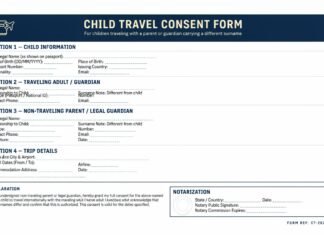
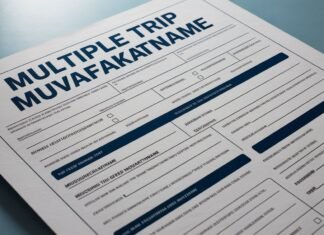
The following Muvafakatname Schengen sample is written in a neutral and embassy-friendly tone. You can edit the names, passport numbers, travel purpose, dates, and contact details according to your situation.
“I, [FULL LEGAL NAME], holder of passport number [PASSPORT NUMBER], hereby give my full consent to [APPLICANT FULL NAME], passport number [PASSPORT NUMBER], to apply for a Schengen visa and to travel to Schengen countries for the purpose of [TOURISM / STUDY / FAMILY VISIT / OTHER PURPOSE]. I confirm that this authorization is granted voluntarily and with full knowledge of the travel plans.
This consent is valid from [START DATE] to [END DATE] or for the duration of the Schengen visa issued. I may be contacted at [PHONE NUMBER / EMAIL ADDRESS] for verification if required.”
Signature: _______________________
Date: _______________________
This sample is a general format and should be customized according to the embassy, country, visa type, and personal situation. If you need a broader structure, you can also compare it with a standard Muvafakatname template.
How to Customize the Sample Correctly
Although the sample is simple, correct customization is very important. Names must match passport spelling exactly, including middle names and special characters. Passport numbers, dates of birth, relationship details, and travel dates should also match the visa application and supporting documents.
The travel purpose should match the visa category selected in the Schengen application. If the purpose is tourism, avoid mentioning study, work, or residence unless those details are part of the actual application. Consistency across documents makes the file stronger and easier to understand.
Is Notarization Required for Schengen Muvafakatname?
Notarization is not mandatory in every Schengen visa case, but many embassies prefer or require notarized consent letters, especially for minors. A notarized Muvafakatname helps confirm that the signature is genuine and that the consent was given voluntarily.
Applicants often choose notarization to reduce the risk of additional document requests. If the document will be used for a minor, family sponsorship, or a sensitive visa matter, notarization can make the consent letter stronger. You can review the process in how to get a notarized Muvafakatname.
Common Mistakes Applicants Make
Even with a good sample, mistakes can happen. The most frequent issues include:
- Using nicknames instead of full legal names
- Missing passport or ID details
- Leaving out the validity period
- Forgetting to sign the printed copy
- Mismatch between travel dates and visa application dates
- Failing to notarize the document when requested
Reviewing the document carefully before submission can prevent embassy delays. You can also read about common Muvafakatname mistakes before finalizing your Schengen visa file.
Schengen Visa vs Other Countries’ Requirements
Schengen consent requirements may differ slightly from the requirements of other countries. While the basic structure of a Muvafakatname remains similar, wording, notarization, translation, and acceptance rules can vary depending on the destination and embassy.
If you are also applying for visas outside the Schengen Area, you may compare requirements in Canada and UK Muvafakatname requirements to understand how destination-specific expectations may differ.
How Embassies Review Schengen Consent Letters
Schengen embassies usually review consent letters as part of document verification. Officers may check:
- Whether names match passports and visa forms
- Whether the travel purpose is clear
- Whether the validity dates match the intended trip
- Whether the signature appears genuine
- Whether contact information is available for verification
Providing clear contact details helps embassies verify consent quickly if needed. If the document is translated, the translated version should also remain consistent with the original.
Helpful Guidance for Schengen Travelers
Applicants often review official travel guidance when preparing Schengen documents. Information provided by the U.S. government travel guidance for Europe may help travelers understand documentation expectations in international travel. Some readers also consult general information about the Schengen Area to understand border rules.
Final Summary
A well-prepared Muvafakatname Schengen sample can support a Schengen visa application, especially for minors, dependent travelers, students, and family-related travel cases. The document should clearly show who gives consent, who receives it, why the consent is being given, and how long it remains valid.
By customizing the sample carefully, matching all details with the visa application, adding a signature, and using notarization when required, you can create a stronger consent document for Schengen embassy review.